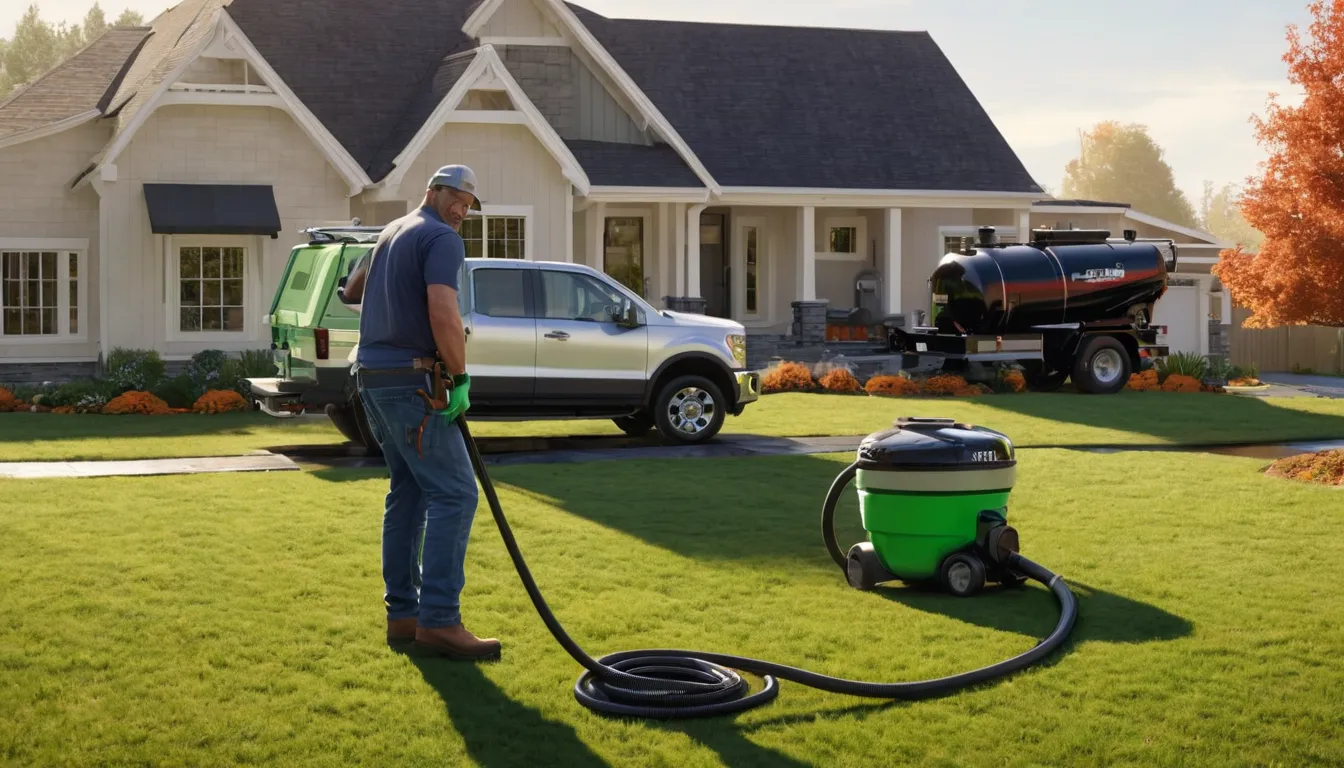
Septic Tank Pumping for Overland Park Homeowners
Request a written pumping estimate
A septic tank collects solids that settle out of your household wastewater. Over time, that sludge and scum build up. When the tank gets too full, solids can slip into the drainfield, and that repair costs far more than a pump-out.
Daughtersthink Septic is a referral service. We connect homeowners in Overland Park and the Overland Park area with independent providers in our network who do the pumping. We do not do the work ourselves. This page explains the warning signs, what drives the price, and how the seasons change your timing, so you can compare written quotes and choose with confidence. It also covers what a pumping visit looks like, how often most homes need one, and which questions to ask a provider before you agree to a price.
Is your tank full? Start with these signs
Some signs are loud. Toilets gurgle. Drains run slow in every room. Sewage smells rise near the tank or in the basement. Other signs are quiet, like a patch of lush, soggy grass over the drainfield.
If you see wastewater backing up inside, stop using water. Skip laundry and long showers. Then ask a provider about emergency septic cleaning. Many providers can respond quickly, but availability varies.
Know your lid
Before anyone arrives, find out where your tank lid sits. Ranch homes on wide lots often have the tank well away from the house. The lid may be buried under sod. Old plans, a past service record or a probe rod can help you locate it.
A homeowner can safely mark the spot and clear the grass. Do not open a lid yourself. Tank gases are dangerous, and a missing or cracked lid is a fall hazard.
Why pumping matters to your wallet
Think of pumping as a small, planned cost that protects a big one. A neglected tank can send solids into the drainfield. Drainfield repair can run into the thousands, and a full replacement costs more.
A pump-out on a regular schedule keeps the tank working as designed. It also gives a provider a chance to spot cracks, worn baffles or a failing outlet filter early.
How often should you pump?
Most households land between every three and five years. Your number depends on three things:
- Tank size compared with the number of people in the home
- Water use, such as laundry, long showers and a garbage disposal
- Age and condition of the tank and drainfield
A big family with a small tank may need pumping more often. A couple in a large tank may stretch it longer. A provider can measure the sludge layer and give you a schedule based on your own tank, not a guess.
Plan before the thaw
Big temperature swings and cold, dry winters shape the right timing. Frozen ground can hide the lid and make digging slow. Some providers charge more for that extra effort, and some wait for the ground to soften.
If pumping is due, book it in fall before the hard freeze. If you missed that window, ask a provider about winter access. Then plan the next pump-out for early spring or summer, when the ground is easy to work.
Spring storms and a full tank
Severe spring storms can saturate the soil. A drainfield that is already wet has less room to absorb water. A tank near its limit is more likely to back up at exactly that moment.
Pumping ahead of storm season gives your system extra room. After a heavy rain, avoid running big loads of laundry until the ground drains.
Summer heat and heavy use
Hot months bring guests, pool days and more laundry. More water means faster buildup. Hail and high wind can also leave debris or vehicles parked near the tank area. Keep heavy equipment off the tank and drainfield.
If you share a well on the same property, mention it. A provider can note the distance between the tank and your water well service needs, and you may want the water tested after any system problem.
What happens during a pumping visit
The provider locates and opens the lid, then uses a hose and a truck-mounted tank to remove the contents. Good providers break up the solids so the tank empties fully. They check the baffles and look for signs of backflow from the drainfield.
The visit often takes about an hour or two, though that depends on access and tank size.
Pumping and inspections
Ask whether the visit includes a basic inspection. It should cover the liquid level, the inlet and outlet pipes and the condition of the tank. A pumping-only visit costs less, but a fuller look can catch problems before they grow.
Buying or selling a home with a septic system
Lenders and buyers often ask for a recent pump-out and inspection. If you are selling, have it done before listing. If you are buying, ask the seller for service records and plan to inspect the tank and drainfield too.
Caring for your system between pumpings
Here is where you can help safely:
- Spread laundry across the week
- Fix leaky toilets and faucets
- Flush only toilet paper and waste
- Keep grease, wipes and chemicals out of drains
- Keep cars and sheds off the drainfield
Skip additive products as a substitute for pumping. They do not replace removing the solids.
Compare written quotes
Get at least two quotes. Ask the provider these questions:
- What is the tank size, and what does the price include?
- Is there a fee for digging to the lid or for extra distance?
- Will you inspect the baffles and filter?
- What will you tell me about the next pump date?
A written quote makes the comparison clear and keeps surprises off the final bill.
What's Included
Full Pump-Out
A provider removes sludge, scum and liquid from the tank so it can hold new wastewater again.
Lid Location
Providers can find and open a buried lid, and may offer a riser for easier access.
Baffle and Filter Check
Many visits include a look at inlet and outlet parts, which helps catch small problems early.
Service Notes
Ask for a written note on tank condition and a suggested date for your next pumping.
What Septic Pumping Typically Costs
Prices vary with tank size, access, distance and season. These are typical U.S. ranges, not quotes. Get a written quote from at least two providers before you decide on the work.
| Item | Typical range | Notes |
|---|---|---|
| Standard pump-out (1,000 gal) | $250 – $550 | Smaller tanks sit at the lower end |
| Larger tank (1,500+ gal) | $400 – $800 | More volume means more time |
| Digging to a buried lid | $75 – $300 | Frozen or deep ground costs more |
| Riser and new lid | $300 – $900 | Makes future access easier |
| Pumping with basic inspection | $350 – $700 | Adds a check of baffles and levels |
| Emergency or after-hours call-out | $400 – $1,000 | Depends on provider and timing |
How It Works
Share Your Situation
Request a callback or send the request form. Tell us about slow drains, backups, tank size and when it was last pumped.
Get Matched
We connect you with an independent provider in our network who serves your area.
Compare the Quote
Review the written quote. Ask what is included, and compare it with a second provider.
Schedule the Pumping
Choose a date that fits the weather and ground. The provider pumps and shares notes on the tank.
Why Call Daughtersthink Septic
Fair Pricing
Compare written quotes from providers in our network so you can see what each price includes.
Season Smart
Advice that ties timing to frozen ground, spring storms and summer heat on your property.
Clear Roles
We refer you to independent providers. They do the work, and you approve the quote.
Plain Answers
Simple explanations of costs, access and what you can safely do yourself.
Other Services
Need septic tank pumping in Overland Park?
Questions about a septic or sewer problem? Request an estimate and a local provider from the network will follow up. Request a callback to check provider availability.
No obligationSeptic Tank Pumping FAQ
How do I know if my septic tank needs pumping?
Slow drains, gurgling toilets, sewage odors and soggy ground over the drainfield are common signs. If you cannot recall the last pump-out, a provider can measure the sludge layer to confirm.
How much does septic tank pumping cost?
Typical U.S. prices run from about $250 to $800, depending on tank size, access and season. Extra digging or a long hose run can add cost, so ask for a written quote.
Can I pump my own septic tank?
No. Tanks contain dangerous gases and need special equipment and legal disposal. You can help by locating the lid, clearing the area and keeping records for the provider.
Get in touch
Questions about a septic or sewer problem? Request an estimate and a local provider from the network will follow up. Request a callback to check provider availability.
No obligation